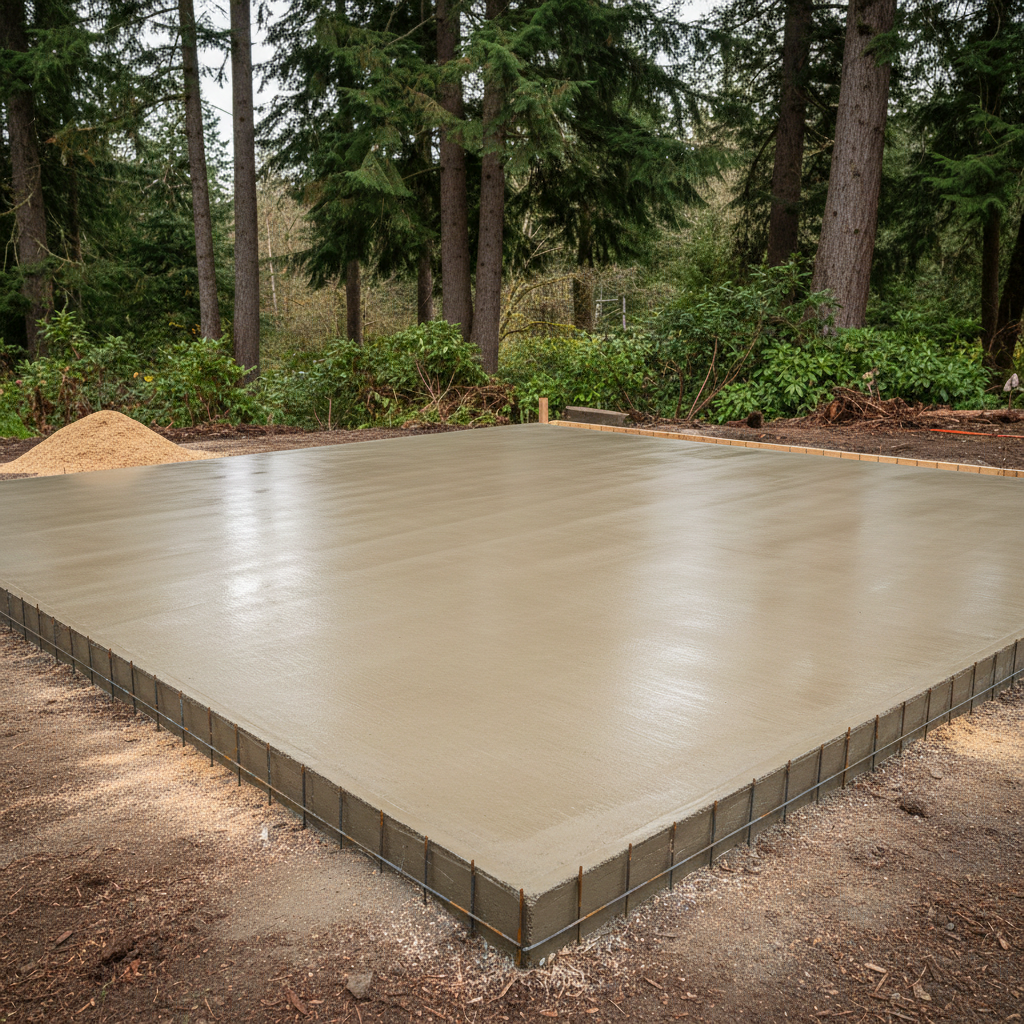
Opening a shed door after a soggy Renton winter often reveals a jammed door. This issue happens frequently up on the East Hill and down near the valley. Ground movement and our relentless Pacific Northwest rain will wreck a poorly planned shed base quickly. When putting up a new backyard structure, the foundation is the one spot you cannot afford to ignore.
Before you swing a single hammer or buy a bag of gravel, you have to look at your site. Here is what you need to figure out before the project starts:
- Check your property lines and local Renton permitting thresholds.
- Walk the yard after a heavy downpour to see where water pools.
- Test your soil to see if you are digging through heavy clay or rocky glacial till.
If your yard slopes like a ski jump or sits in a basin where water collects, your prep work changes entirely. Ignoring drainage right now means rotting floor joists by next year.
The DIY Phase: What You Can Handle
You can save some cash by doing the legwork yourself if you are building a smaller utility shed. Clearing the sod, leveling the dirt, and laying down a solid crushed rock pad is doable over a long weekend with a rented plate compactor. Skid foundations made from pressure-treated 4x4s work well on flat ground, and gravel pads let the heavy Renton rains drain straight through instead of pooling underneath your structure.
Do not underestimate the physical toll of hand-digging and hauling gravel. If you look at a wheelbarrow and groan, you might want a helper or a mini-skid steer rental.
When It Is Time to Call a Pro
There comes a point where DIY turns into a massive headache. If your site has a slope greater than a foot or two across the footprint, you are looking at retaining walls or concrete pier footings that need exact measurements. Custom Sheds of Renton frequently gets calls to fix amateur foundations that shifted because the ground was not tamped right or rebar was not set deep enough into the frost line. Pouring a proper concrete slab or building a raised timber platform on tricky terrain is usually the moment to hand the reins over to someone with a transit level and heavy equipment.
After the Foundation Goes In
Once your pad or piers are set, take a breath and let the concrete cure or the gravel settle before you start framing walls. Check the corners with a diagonal tape measure to make sure it is dead square because if your base is out by half an inch now, your roof line will look like a disaster later. Keep the bottom plates of your shed elevated slightly above the surrounding grade so splash-back from heavy rain does not rot the siding. Do these steps right, and your new backyard setup will stay high and dry for 15 to 20 years or more.