So, How Much Does a Livestock Shelter Cost?
You're looking to protect your animals from the unpredictable Pacific Northwest weather, right? Good call. A solid livestock shelter isn't just about comfort; it's about their health and your peace of mind. But when you start looking into it, you'll see prices all over the map. So, what's the real deal here in Renton?
Honestly, it's not a simple one-size-fits-all answer. A basic run-in shed for a couple of goats is a whole different ballgame than a multi-stall barn for horses with a tack room. But I can give you some solid numbers based on what I've seen building these things for folks around here.
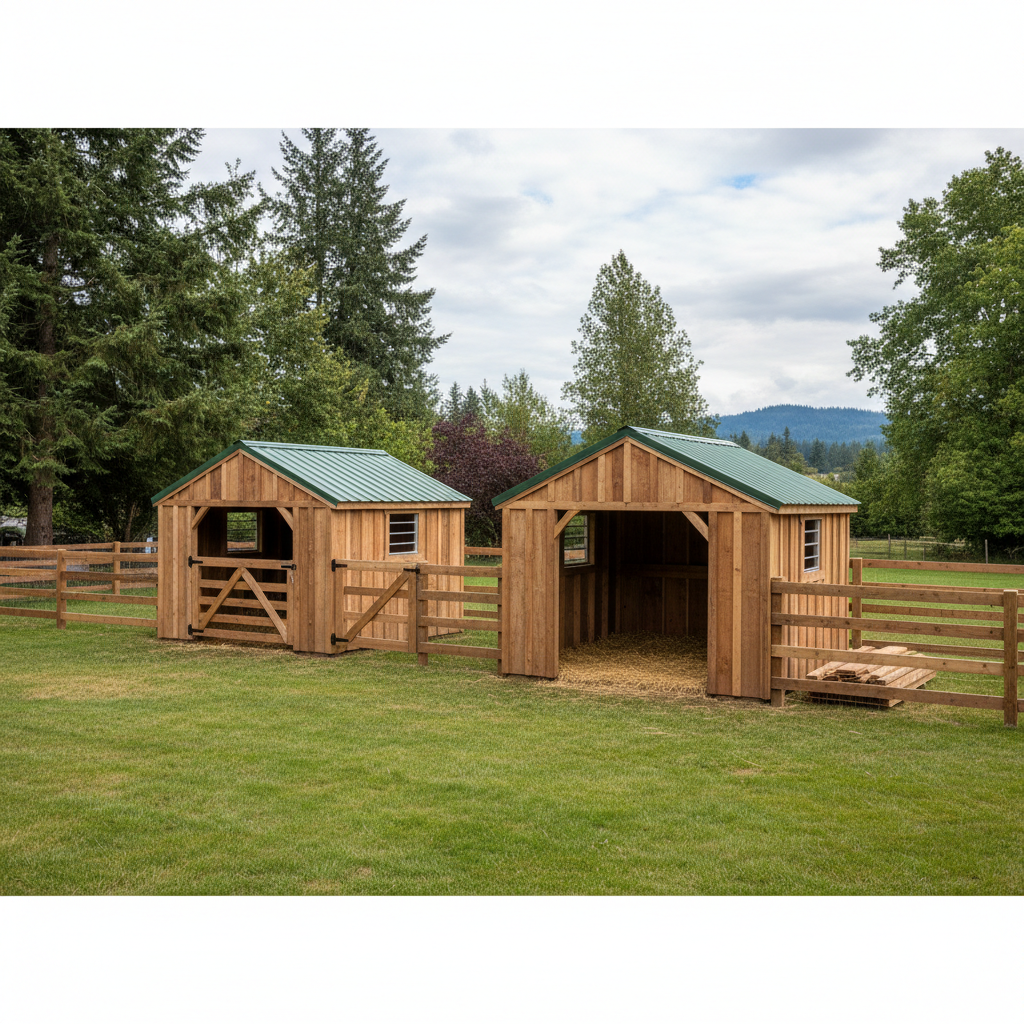
For a basic, well-built, open-front run-in shelter, say 10x12 feet, you're probably looking at a starting price of around $4,500 to $7,000. That's for a sturdy structure, usually wood-framed, with a metal roof, built to last. If you need something bigger, like a 12x24 three-sided shelter, that can jump to $7,500 to $12,000. And if you're talking about a fully enclosed barn with stalls, concrete floors, and maybe even electricity, you're easily getting into the $20,000 to $50,000+ range, depending on the size and features.
What Drives the Price Tag?
A few key things really push the cost up or down on a livestock shelter:
- Size and Complexity: This is the big one. A bigger footprint means more materials and more labor. A simple three-sided shed is cheaper than a fully enclosed barn with multiple stalls, a feed room, and storage.
- Materials: Are we talking treated lumber and metal roofing, or do you want something more aesthetic like cedar siding and architectural shingles? Concrete slabs cost more than a gravel base. The quality of stall mats, gates, and hardware also adds up.
- Foundation: A simple gravel pad is the cheapest. A concrete slab with proper drainage and footings for heavier animals will cost more but is often worth it in the long run, especially with Renton's clay soils that can get pretty muddy.
- Site Preparation: Is your site already level and clear? Or do we need to bring in excavators to grade the land, remove trees, or deal with drainage issues? This can add a significant chunk to the overall cost.
- Features and Amenities: Do you need electricity for lighting or heated water troughs? Plumbing for a wash rack? Tack rooms, feed storage, windows, Dutch doors, or even a small office space? Each add-on increases the price.
- Permits: Don't forget these. For anything over a certain size (often 200 sq ft in King County, but always check with Renton's planning department), you'll need permits, which means plans, inspections, and fees. This isn't usually a huge cost compared to the build, but it's an important step that can delay things if you don't plan for it.
What's Included in a Quote from a Builder Like Me?
When you get a quote from Custom Sheds of Renton, or any reputable builder, it should be pretty detailed. Here's what you should expect to see:
- Detailed Material List: This includes lumber, roofing, siding, fasteners, doors, windows, and any specific hardware.
- Labor Costs: This covers the crew's time for construction, from framing to finishing.
- Site Prep: If we're handling it, this will be broken out – grading, gravel, concrete, etc.
- Delivery: Cost of getting materials to your property.
- Permit Assistance: While you're usually responsible for permit fees, a good builder can help you navigate the application process.
- Waste Disposal: Hauling away construction debris.
- Warranty: What kind of guarantee do they offer on their work?
What's usually not included, unless specifically requested and itemized, are things like electrical hookups (beyond running conduit to a box), plumbing, interior finishes beyond basic framing, or landscaping around the new structure. Always ask for clarification if something isn't clear.
How to Avoid Overpaying for Your Shelter
Nobody wants to feel ripped off. Here's how to make sure you're getting a fair price:
- Get Multiple Quotes: This is basic, but crucial. Talk to at least three different builders. Don't just go for the cheapest, though. Compare what's included in each quote.
- Be Specific About Your Needs: The more detail you can provide upfront about what you want (size, number of animals, specific features), the more accurate the quote will be. Changes mid-project almost always cost more.
- Ask About Experience: Has the builder done livestock shelters before? Building for animals is different than building for people – you need to understand animal behavior, ventilation, and durability.
- Check References: Talk to past clients. See their work.
- Understand the Materials: Ask what kind of lumber, roofing, and hardware they're using. There's a big difference in longevity and cost between basic untreated lumber and pressure-treated or cedar.
- Don't Skimp on the Foundation: Especially around here, with our wet winters, a good foundation is critical. It might seem like an extra cost, but it prevents bigger problems down the line like rot or shifting.
- Consider a Phased Approach: If budget is tight, maybe start with a solid, basic shelter and plan to add features like electricity or a tack room later.
Building a good home for your animals is an investment. Do your homework, ask the right questions, and you'll end up with a shelter that serves you and your livestock well for years to come.