Before You Start: Planning Your Renton Garden Shed
So, you're thinking about adding a garden shed. That's great! It's a solid investment for any homeowner, whether you're stashing tools, potting plants, or just need a quiet spot away from the main house. But before you even think about swinging a hammer, there are some crucial steps you gotta take.
First off, what's it for? Seriously, write it down. Is it purely for storage? Are you planning a potting bench? Maybe a small workshop? Knowing its main purpose will dictate size, layout, and even the type of foundation you'll need. Don't just guess; measure your biggest tools or whatever you plan to put in there.
Next, location, location, location. You'll want a spot that's relatively level, easy to access, and ideally not under a huge tree that's gonna drop sap and leaves all over it. Think about sun exposure too – if it's a potting shed, you'll want good light. If it's just storage, maybe a shadier spot is fine. Here in Renton, especially in some of the older neighborhoods like the Highlands, you might run into tricky slopes or even some clay-heavy soil that needs extra attention for drainage. You definitely don't want your shed sitting in a puddle after a good winter rain.
And here's a big one: permits. Don't skip this. For most sheds under 200 square feet, you might not need a building permit from the City of Renton, but you should always double-check. Even if you don't need a building permit, you might need a zoning permit to make sure it meets setback requirements from your property lines. A quick call to Renton's Department of Community Development can save you a huge headache down the road. Trust me, fines are way more expensive than a phone call.
Finally, budget. Be realistic. Materials cost money, and if you're hiring help, that's even more. Factor in not just the shed itself, but the foundation, any electrical work, and even landscaping around it.
During the Build: DIY or Call a Pro?
Alright, plans are set, permits (if needed) are in hand, and you're ready to build. This is where you gotta make an honest assessment of your skills and time. There are definitely parts of a shed project you can tackle yourself, and others where a pro is just plain smarter.
What You Can Probably DIY:
- Site Prep: Clearing the area, leveling the ground, and laying down a simple gravel base for a smaller shed. If you're physically able and have a good shovel, you can handle this.
- Shed Kits: If you buy a pre-fab shed kit, many homeowners can follow the instructions and assemble it. It's like putting together big IKEA furniture. You'll need basic tools – a drill, saw, level, tape measure.
- Painting/Staining: This is a no-brainer. Anyone can paint or stain a shed. Just make sure the weather's cooperating.
- Interior Finishing: Adding shelves, hooks, or a workbench is totally doable for most folks.
When to Call a Pro:
- Complex Foundations: If you're building a larger, heavier shed, or if your site isn't perfectly flat, you might need a concrete slab foundation. Pouring concrete correctly is an art and a science; it's easy to mess up, and a bad foundation means a bad shed. This is where Custom Sheds of Renton comes in handy – we deal with foundations all the time.
- Custom Designs: Want something unique? A shed with specific windows, a particular roofline, or integrated into your existing landscape? A pro builder can design and execute this much more efficiently and with better results than most DIYers.
- Electrical Work: If you want power in your shed for lights, tools, or heating, DO NOT DIY the wiring unless you are a licensed electrician. This is a safety issue and requires permits and inspections. Hire a pro.
- Time Constraints/Lack of Skills: Let's be real, building a shed takes time and specific skills. If you're short on weekends or just not confident with construction, hiring us or another reputable builder will save you frustration and likely produce a better, longer-lasting shed.
- Larger Sheds (over 120 sq ft): The bigger the shed, the more complex the framing, roofing, and sheer weight of the materials. It quickly becomes a two-person (or more) job, and the margin for error gets smaller.
After the Build: Maintenance and Enjoyment
So, your shed's up, whether you built it or we did. Now what? Maintenance, that's what. Just like your house, a shed needs a little love to keep it looking good and functioning well, especially with our Pacific Northwest rain and dampness.
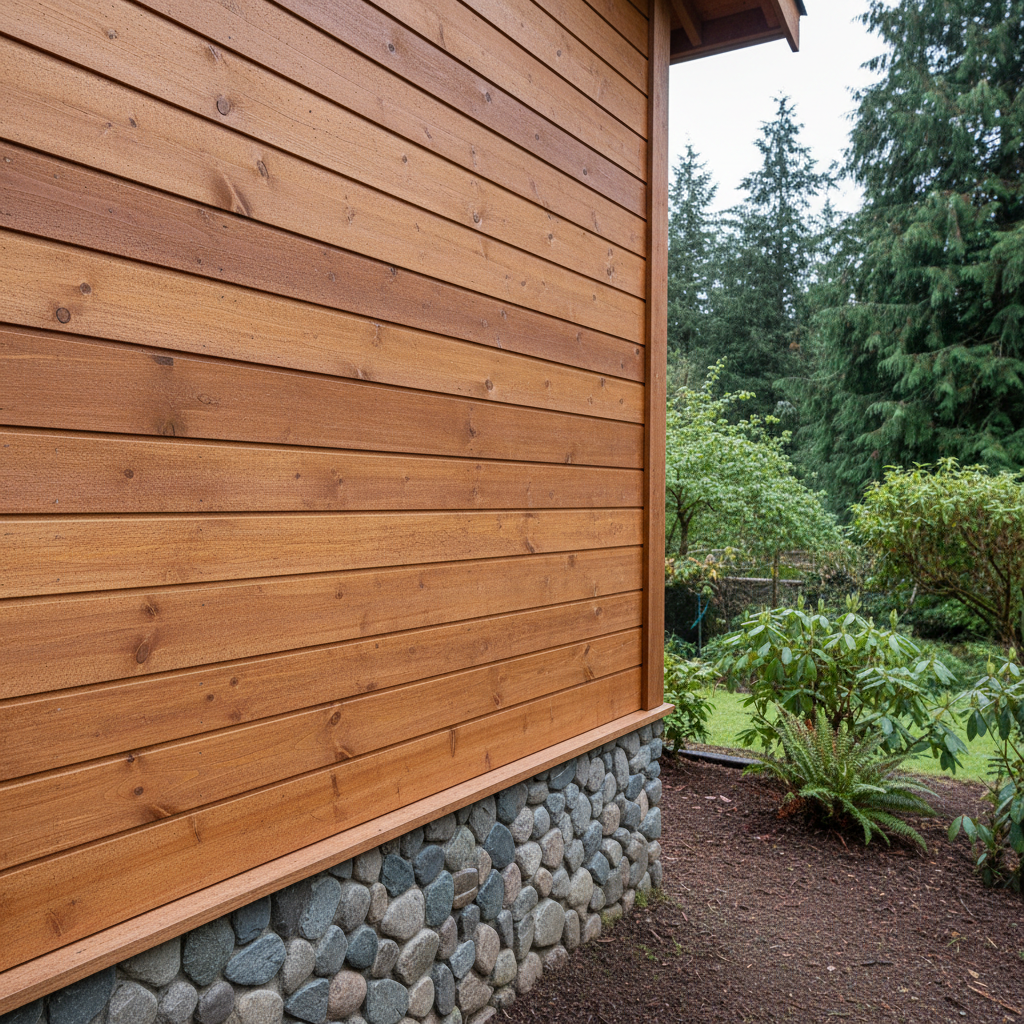
Keep an eye on the roof. Clear off any leaves or debris, especially after fall. Check for moss growth and treat it if it starts to appear; moss holds moisture and can damage roofing over time. Inspect the siding for any cracks or peeling paint and touch it up as needed. Good paint or stain is your first line of defense against rot.
Make sure your gutters (if you added them) are clear and draining properly, directing water away from the foundation. Keep the area around the shed clear of vegetation to allow for good airflow and prevent moisture buildup against the siding. A little annual check-up goes a long way in extending the life of your shed.
And finally, enjoy it! Organize those tools, pot those plants, or just go sit in your new space and relax. A well-planned and well-built garden shed can be a real game-changer for your yard and your sanity.
```